Electricity Infrastructure
September 25, 2018
The entire U.S. electricity system is experiencing nearly unprecedented change, including slower load growth, retiring traditional baseload capacity, declining costs and increasing deployment of renewable and distributed energy resources, policy changes at the state and federal levels, and rapidly evolving technology. These changes are transforming how end-use customers and electric companies interact, placing pressure on real-time operations and introducing new uncertainties to long-term planning cycles. Investments in the nation’s network of transmission and distribution systems — the backbone of the entire electricity system — are critical to enabling the utility and energy industries and the U.S. economy to adapt to these changes, while maintaining reliability and resiliency in the face of emerging challenges, such as severe weather and cyber threats. System statistics include:
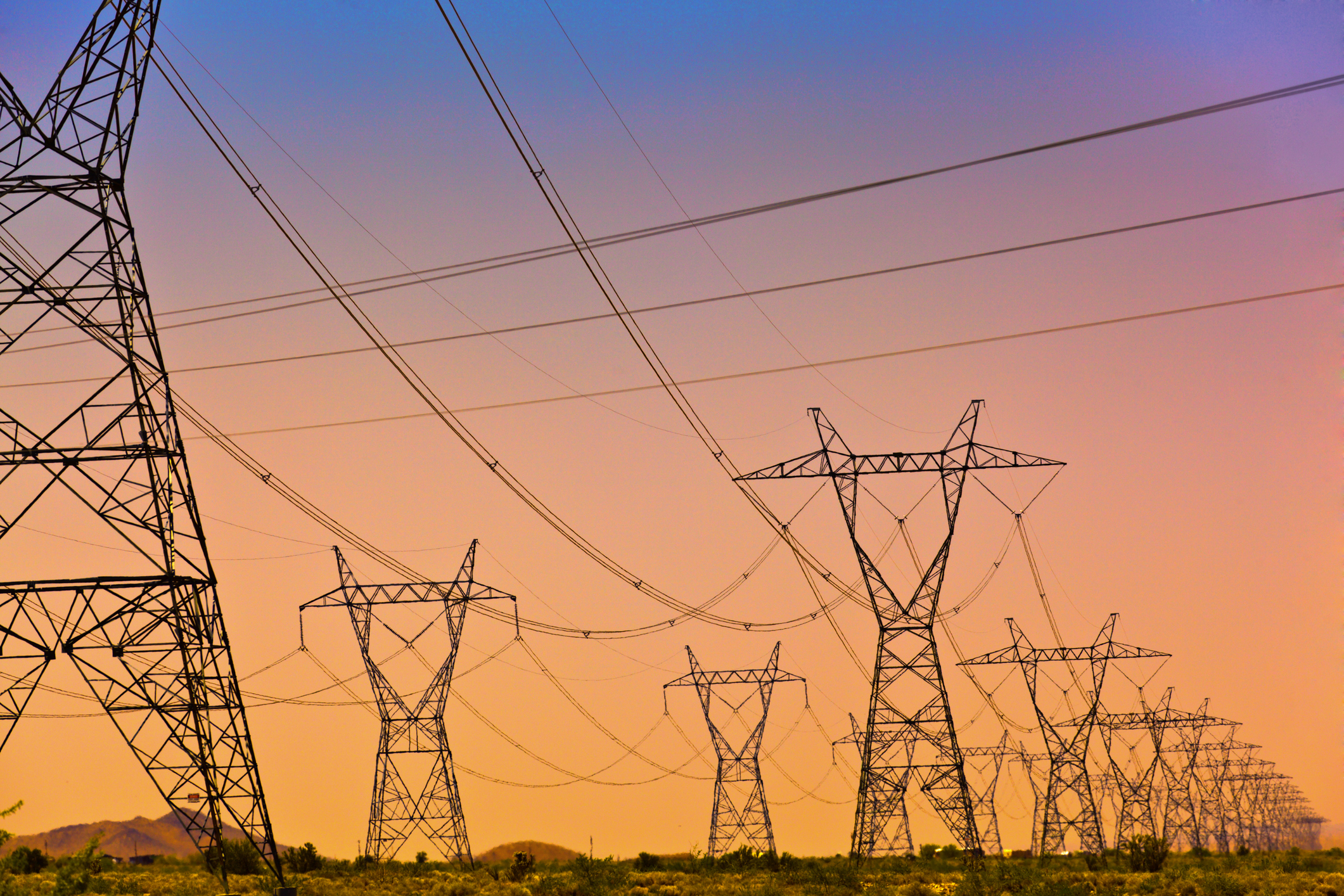
- The U.S. electric grid delivers more than 3,800 terawatt-hours of electricity to roughly 159 million residential, commercial and industrial end-users each year.
- Approximately 707,000 miles of high-voltage transmission lines and 6.5 million miles of distribution lines deliver electricity from 7,700 operational power plants.
Wind and solar have expanded from less than 1 percent to 6 percent.
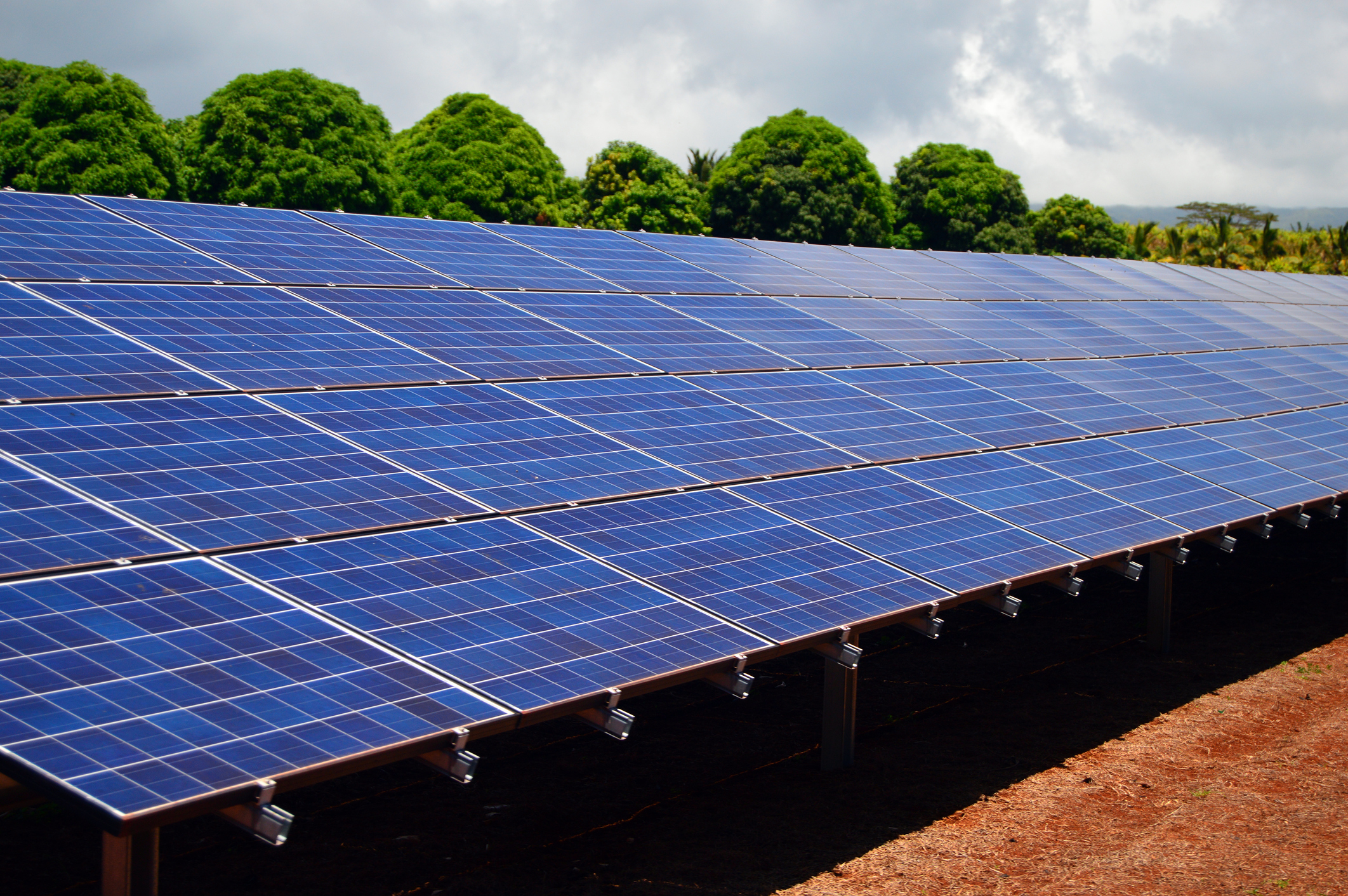

Fundamental shifts in the fuel sources and structure of electricity generation — driven by changing policy, market and technology dynamics — are placing new demands and pressures on the electric grid.
- Most of the nation’s high-voltage transmission infrastructure was constructed in the 1960s and 1970s and was not built to accommodate the current or anticipated future uses of the grid, such as efficiently integrating increased wind energy resources.
- Since 2005, coal has declined from 50 percent of net generation to just 30 percent, while natural gas has grown from 19 percent to 34 percent. Wind and solar have expanded from less than 1 percent to 6 percent.
- Penetration of variable renewable energy sources is expected to continue. In 2015, 32 percent of utility-scale capacity additions (net summer capacity) were wind and solar, and by 2040, wind and solar are projected to make up 19 percent of net power generation.
- Twenty-nine states plus the District of Columbia have a renewable portfolio standard that requires a certain share of generation from renewable sources, with many states requiring 25 percent or more renewable generation by a target date.
- Successfully integrating variable renewable resources into the grid requires substantial investments in transmission and distribution infrastructure. PJM Interconnection (a regional transmission organization operating from parts of Illinois and Tennessee in the west to the Mid-Atlantic in the east) calculated that reaching 30 percent renewable penetration would require 1,000–3,000 miles of additional transmission lines, at a total cost of $5.0 billion– $13.7 billion.
- Projected growth in the electric vehicle fleet represents another new demand on the grid’s infrastructure. Declining battery costs and state policies are projected to drive sales of battery electric vehicles to 6 percent of total light-duty vehicle sales by 2040, up from slightly less than 1 percent in 2016.
Energy @ Work
America's energy infrastructure is a key driver of job creation, growth and competitiveness throughout the economy.
In addition to emerging policy, technology and market factors, extreme weather and the threat of cyber and physical attacks place additional pressures on the electric grid.
- Severe weather events — hurricanes, severe storms and floods — represent the most significant threat to overall grid reliability. The annual cost of weather-related outages ranged from $18 billion to $33 billion between 2003 and 2012.
- Cyber and physical threat events are also becoming more frequent and have the potential to cause significant harm to the power system. In 2013, more than half of the cyber incidents the Department of Homeland Security’s Cyber Emergency Response Team responded to were on energy installations.
The annual cost of weather-related outages ranged from $18 billion to $33 billion between 2003 and 2012.
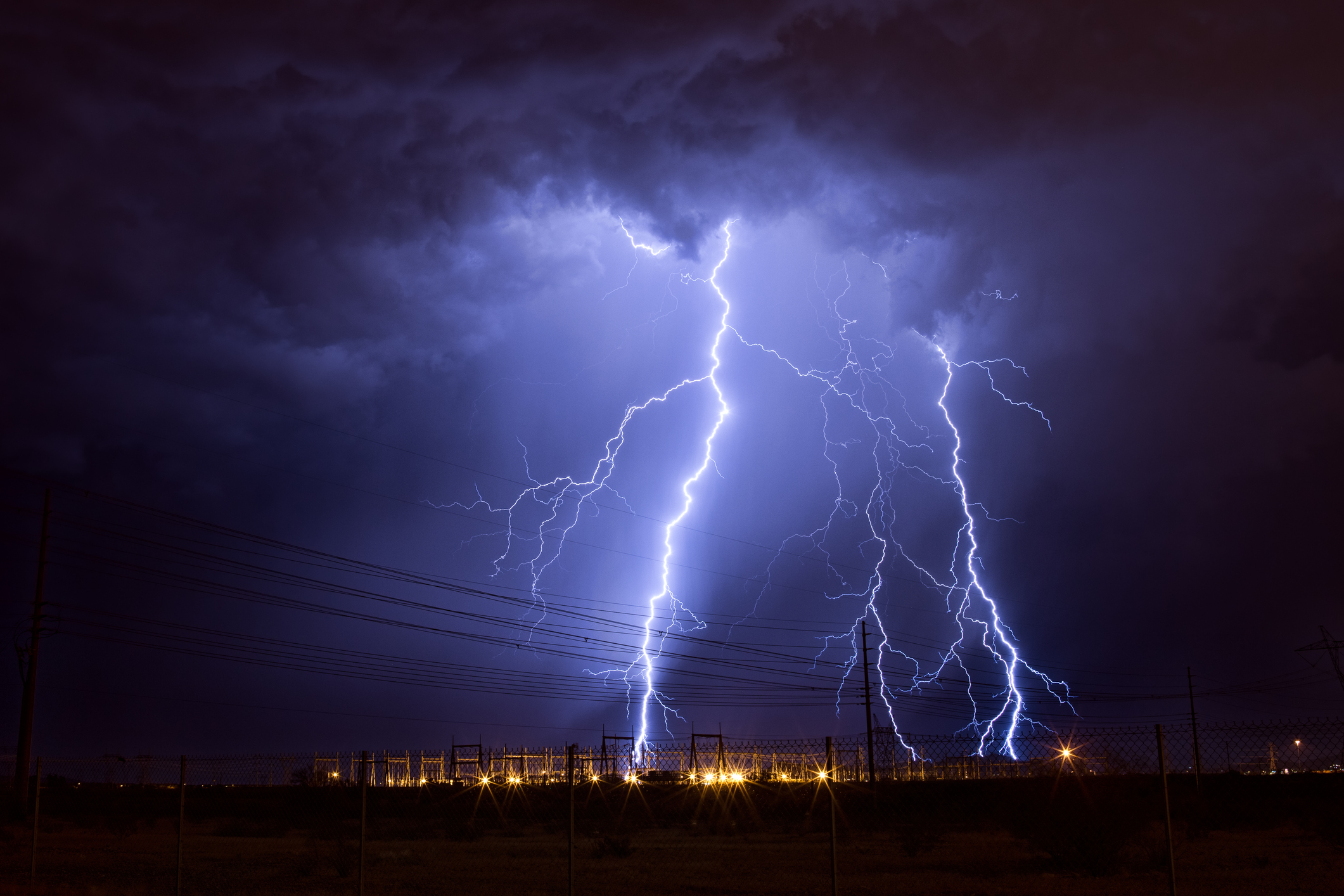
Considerable investments in the nation’s grid infrastructure are needed to adapt to new challenges and maintain system resiliency and reliability.
- The utility industry is accelerating investments in electricity infrastructure. For transmission lines, investment increased from $2 billion–$4 billion per year between 1995 and 2005 to $10 billion– $16 billion per year between 2010 and 2015. Investment in distribution infrastructure — including advanced distribution management systems, smart meters and inverters, new poles, and buried power lines — grew from $15.5 billion in 2006 to nearly $22.0 billion in 2015.
- Investment needs for grid modernization projects — which drive reductions in electricity bills, improve system reliability, and increase fuel and system efficiency — are estimated to range from $350 billion to $500 billion.
- An estimated $25 billion–$40 billion in additional transmission infrastructure investment is needed through 2025just to comply with requirements associated with existing state-level renewable portfolio standards.
The electric power transmission, control and distribution industry directly supported more than 290,000 jobs as of the second quarter of 2015.

Investing in the nation’s grid infrastructure creates efficiencies and cost savings throughout the entire electricity sector.
- One regional transmission organization (RTO) calculated that every $1 spent on transmission expansion projects placed in service between 2012 and 2014 will produce approximately $3.50 in benefits over the next 40 years.
- Studies suggest that establishing more robust interregional transmission infrastructure would reduce the generation capacity needed to meet reserve margin requirements, reducing RTO costs by $250 million–$350 million per year.
- The electric power transmission, control and distribution industry directly supported more than 290,000 jobs as of the second quarter of 2015.
Energy at Work
Like other forms of infrastructure, America’s energy infrastructure is a key driver of job creation, growth and competitiveness throughout the economy. Maintaining a modern, flexible and secure network of electric power transmission and distribution lines, oil and natural gas pipelines, and storage facilities is essential to delivering affordable and reliable energy to U.S. businesses and consumers, promoting growth across all sectors of the economy, and supporting the country’s thriving domestic energy industry.